We weren't building an NFT product. We were solving a fan problem. How do you introduce a new kind of ownership to a mainstream audience so it feels trustworthy, effortless, and worth coming back to? Leadership had to be convinced first, and most of them knew NFTs only from the headlines. The answer for both audiences turned out to be the same.
New category, mainstream audience.
Most collectibles experiences assumed the person buying already understood crypto. Sports fans don't, and shouldn't have to. The product had to feel like commerce they already knew, with the complexity hidden until the moment it actually mattered.
And it had to hold up on the worst possible day. A drop is a traffic spike with money and emotion attached, where every failure is public and every fan is watching the same countdown.
Adoption friction
Fans needed a purchase and collection flow that felt familiar, with wallets, keys and chains kept out of the way until they were unavoidable.
Trust and legitimacy
Fans needed proof of authenticity, ownership they could understand in plain language, and confidence the platform would not break at the exact moment it mattered.
Drop reliability at peak demand
Drops create extreme spikes and high emotional stakes. The product had to communicate fairness, handle sold-out cleanly, and keep people informed through every transaction state.
Make it commerce, not crypto.
Explaining blockchain to a nontechnical leadership team was the hardest part. What landed was showing it as something they already understood, a store and a drop, with the technology underneath.
That became the product. Four pillars, all pointed at the same thing. A fan should be able to collect first and learn later.
We designed around the way collectors already behave, which is to browse, buy, reveal, collect and trade. Blockchain concepts were disclosed progressively, only at the point where they changed what someone should do.
Drops were treated as peak-load events, not launches. The product and the system were designed for clarity and resilience across all four states, from pre-drop through live, sold out and post-purchase.
Confidence came from verified drops, transparent item detail, unambiguous ownership states, and storytelling that tied each collectible back to something a fan already cared about.
Collectibles were positioned as more than digital content by tying them to access, experiences and physical memorabilia, with a marketplace layer that sustains engagement between drops.
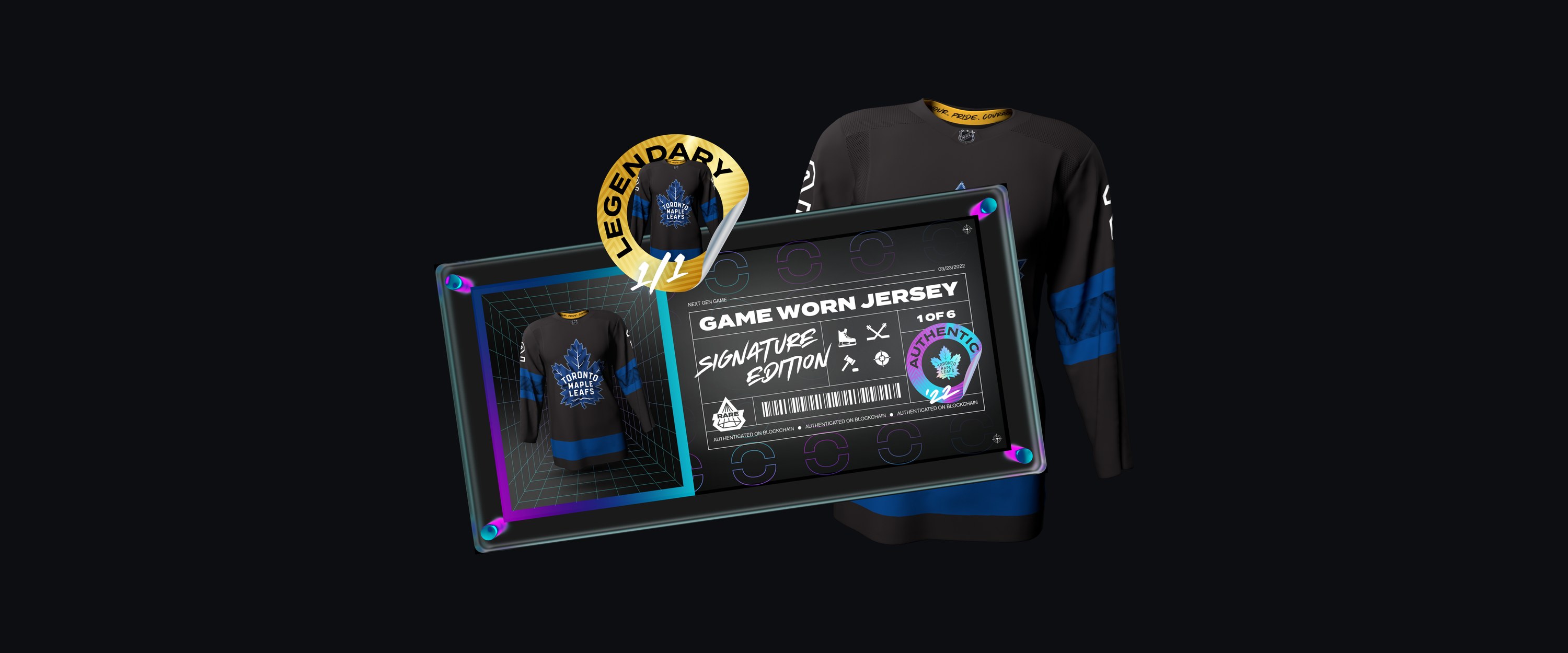
A drop engine, a marketplace, and a playbook to run them.
Six surfaces, built so a drop could be repeated rather than survived.
Drop engine and storefront
Campaign pages built to hold peak traffic and communicate scarcity, timing and outcome without ambiguity.
Pack drops and reveal
Rarity tiers, the reveal moment, and clear guidance on what happens next.
Fan-first checkout
A checkout designed to cut crypto friction and prevent dead ends while demand is at its highest.
Collection and provenance
Item detail with plain ownership states, provenance, and storytelling a fan would actually share.
Marketplace resale
List, manage and buy, with transparent listing states and honest transaction feedback.
Drop-day operations
The operating playbook covered instrumentation, monitoring, support escalation, and a repeatable launch checklist.
Demand, and then repeat demand.
In the first launch window Dropshop proved it could drive mainstream demand and then sustain it, through repeatable drops and a marketplace layer that gave collectibles somewhere to go between them. Other teams saw it working and signed up to run their own drops on it.
What mattered most wasn't how fast a drop sold out. It was the evidence that people came back, in repeat buyers and secondary listings.
Demand arrived first
A waitlist formed before launch, and the first drop sold out almost as soon as it opened.
Drops kept selling
Sell-through stayed high across the first drops, not only the launch.
Fans came back
Buyers returned for later drops, and the marketplace filled with listings between them.
From collectibles as content to collectibles as a value layer.
The roadmap direction was to make ownership do something.
Physical memorabilia provenance
Authenticity and provenance for physical memorabilia, carrying a digital trail.
Verified owner access
Digital tickets and verified-owner access, covering whitelists, VIP moments and presales.
More teams on the same playbook
Bringing more teams, seasons and partner campaigns onto the drop engine other teams had already adopted.
Reliability is the product
When demand spikes, fans don't judge the platform on features. They judge it on clarity, fairness, and whether it holds up. The biggest wins came from state design, meaning pre-drop expectations, sold-out communication, and honest transaction status.
Trust must be designed
Mainstream users don't start with confidence in any of this. Authenticity signals, plain language, and consistent ownership states mattered as much as the visual design. Trust had to be earned repeatedly, not once.
Explain it in terms people already know
Executives and fans needed the same thing. Long explainers didn't move either of them. What worked was framing it as something familiar, removing decisions, and revealing the complexity only when it mattered.
Utility drives retention
Digital ownership becomes meaningful when it connects to access, experiences, or real-world value. The strongest retention moments came when a collectible felt like a key rather than a picture.
Playbooks scale drops
A drop engine is only as good as the repeatability around it. Instrumentation, monitoring and a checklist-based launch process cut risk and made every subsequent drop smoother to run.