
Teams at MLSE had tried to rebuild the apps for years. Mobile touched every line of business, so the case had to win all of them, then the C-suite and the board. I made it as a business case, not a technology project, and then led the rebuild. Four team apps shipped in one year.
Four launches, and not one of the dates was ours to move.
Each app had to be live before its own team's first home game. TFC in March, the Argonauts in June, the Leafs and Raptors in the same October. Two-month design and build cycles, four times over.
Strong traffic, shallow trust.
MLSE's team apps had evolved independently, each solving the same problems in slightly different ways. That left fragmented fan experiences, duplicated internal effort, and no shared read on why engagement fell off after the final score. Fans opened an app for tickets or scores, then left.
Worse, the apps failed at the moments that mattered most. Tickets didn't load at the gate, apps froze mid-game, and fans had to reinstall. Security audits came back failing, and sponsorship value was eroding with fan trust. If mobile was going to matter, it had to work as one ecosystem, and it had to be trusted first.
Reliability as the growth thesis.
Nine pillars across three areas, with reliability underneath all of them. Fans who trust the app at the gate open it earlier and use it more.
Budget and scope drew a lot of scrutiny. The answer was to treat reliability as the foundation all nine pillars stood on, not one more feature competing with them.
Clear navigation and content discovery
Fans needed to find scores, highlights, tickets, and news without friction. The new structure prioritized intent-driven navigation, moving between live content, team updates, and ticketing in a few taps.
Deeper engagement beyond scores and tickets
The app evolved from a utility into a daily destination. Personalized content, richer video, and interactive features brought fans back between games and kept them connected year-round.
Real-time experiences that respect attention
Live Activities and in-app updates delivered real-time scores and moments without drowning fans in notifications. Informed, with control over how and when they engaged.
Seamless continuity across revenue channels
Ticketing, retail, and partnership integrations stayed stable through launch. The transition was invisible to fans and partners, protecting critical revenue streams while opening room to optimize.
Sustained growth in engagement and retention
Month-over-month increases in active users, dwell time, and content consumption showed the new experience driving measurable business value and stronger fan loyalty.
Actionable insight into fan behavior
Unified analytics gave a clear view of what fans were doing, when, and why, so marketing and partnership teams could make data-informed decisions and refine campaigns in real time.
Shared architecture and design system
A single foundation supported multiple team apps, reducing duplication and ensuring consistent quality. Build once, deploy across brands with minimal rework.
Standardized analytics and instrumentation
Every app captured data the same way, enabling cross-team comparison and faster learning. Consistency turned analytics into a strategic asset instead of a maintenance burden.
Scalable operating model for future seasons
Repeatable processes for design, development, and release. New features ship faster and at lower cost, season after season, across all team apps.
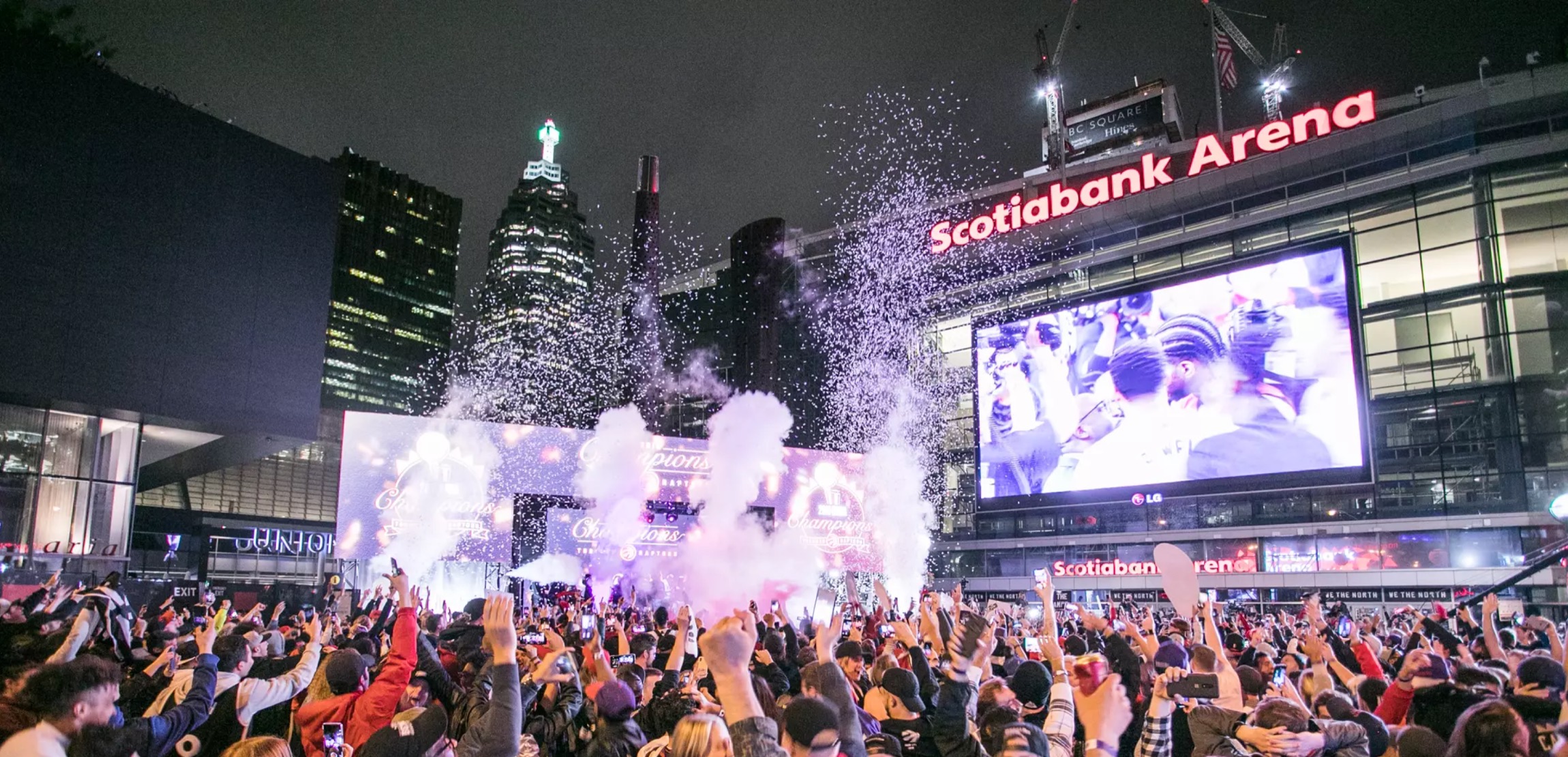
Four apps, ahead of four opening nights.
Each app shipped on a two-month design and development cycle, on a vendor platform pushed well past its out-of-the-box feature set.
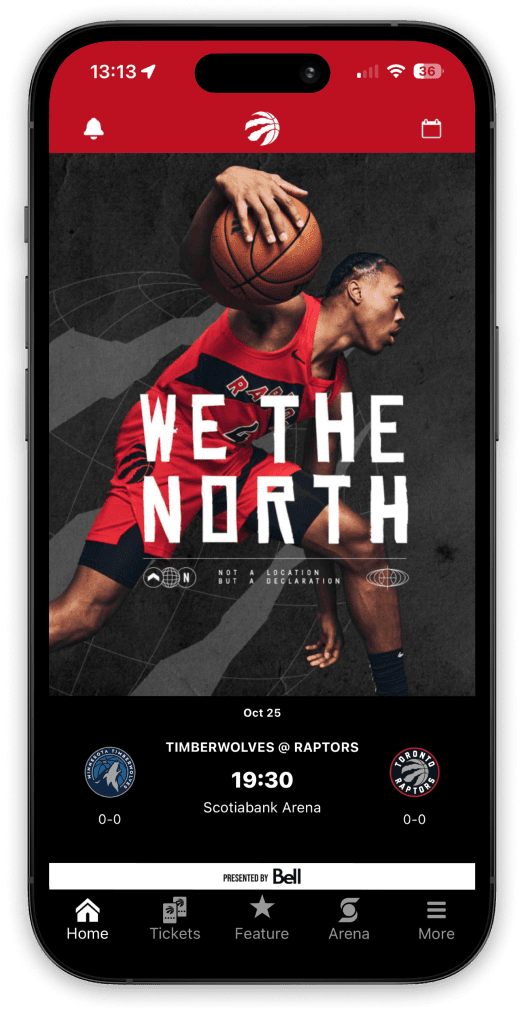
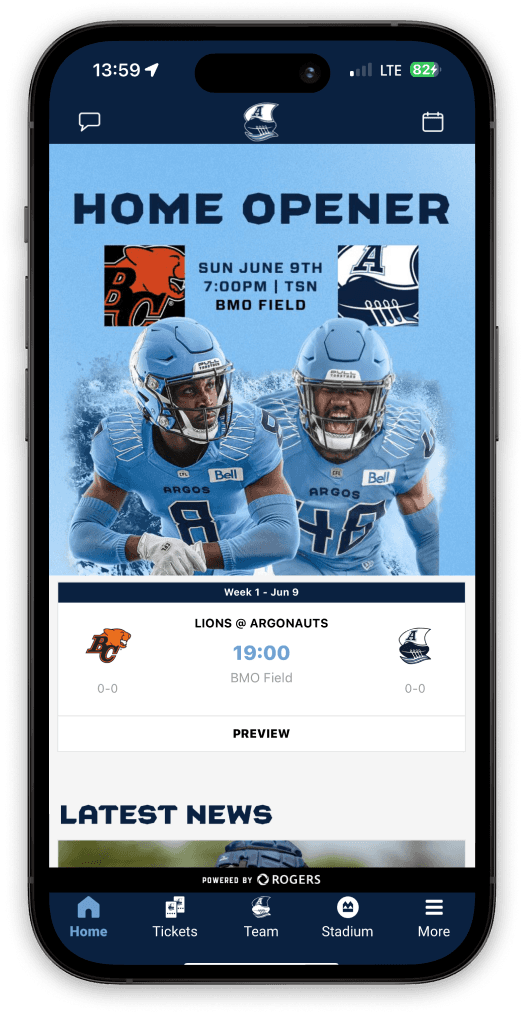
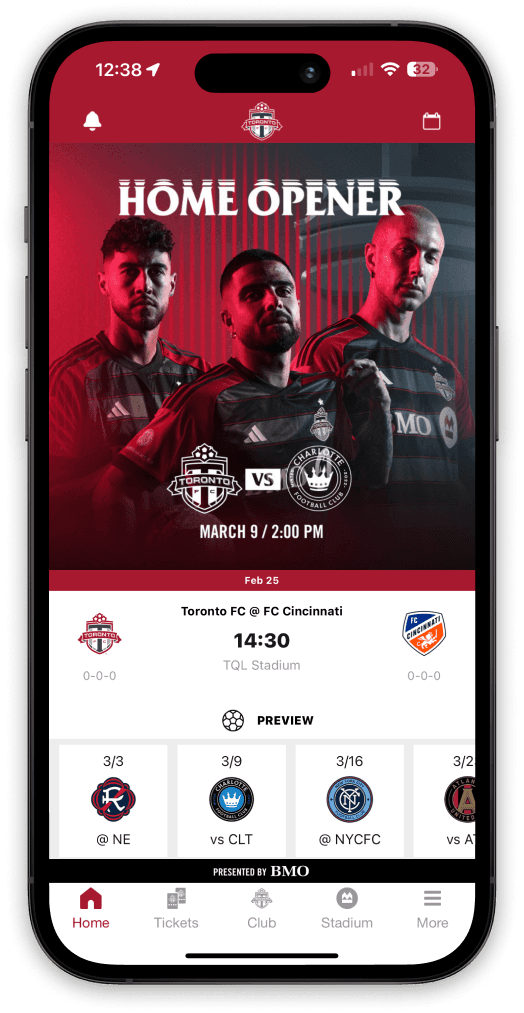
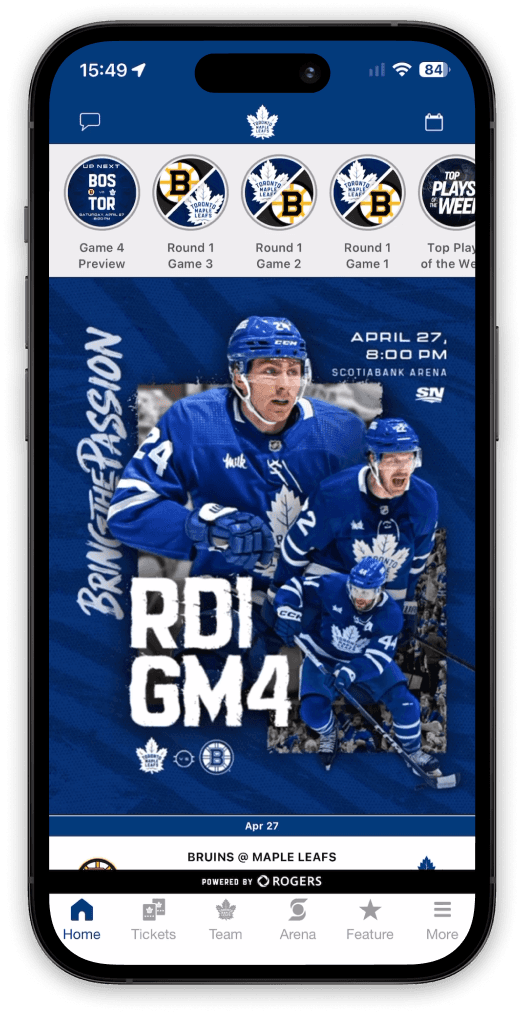
Seasonal launches at scale
4 seasons, 4 apps, shipped ahead of opening nights on tight 2-month design and dev cycles.
Partner-ready inventory
Repeatable placements with attribution reporting, built for sponsorship scaling.
Segmentation foundation
Audience segments, CDP integration, event and location-based targeting.
Vendor strategy
Vendor platform as baseline, evolved beyond its included feature sets to execute the vision.
Engagement + utility features
Live Activities, PiP video, interactive ads, personalization surfaces.
Governance + quality gates
Release-readiness discipline for live events.
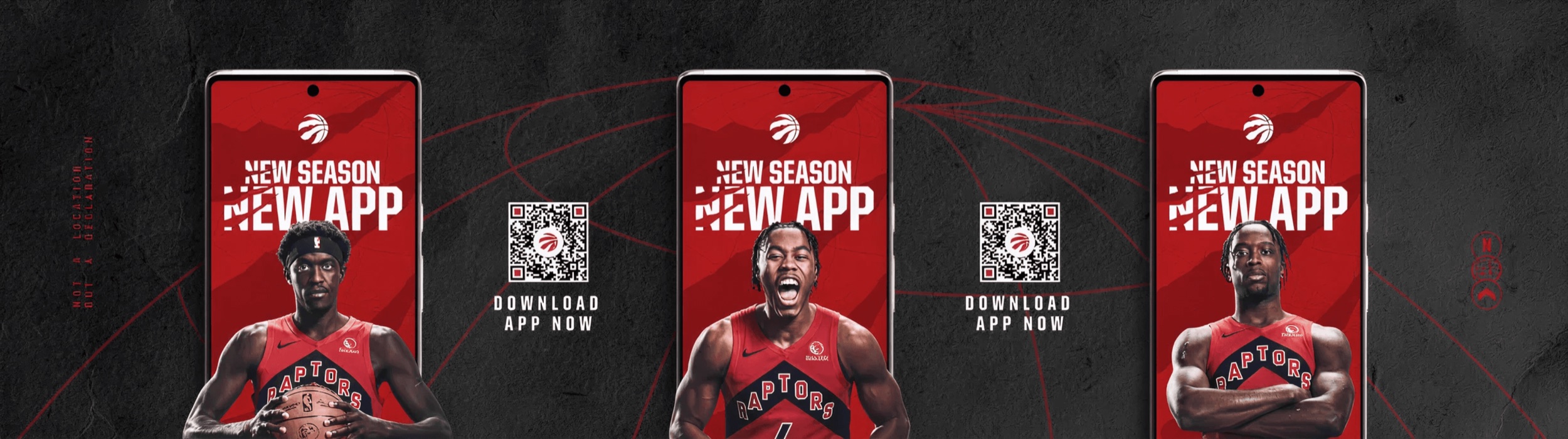
It performed on game day, when it mattered.
Stability and security rebuilt fan trust, cut support load, and removed friction at entry. The shared foundation protected core revenue streams and unlocked new ones.
Trust held on game day
Security went from a failing baseline to a passing grade. Crashes fell sharply across all four apps, and game-day support tickets fell with them.
Revenue beat its targets
Food and beverage, advertising and partnerships all finished the season over target. Features that did not exist the year before brought in revenue of their own.
Fans came back
More fans scanned into the arena through the app, monthly active users grew for both the Leafs and the Raptors, and the Leafs app reached the top of the Sports chart on the App Store.
Reliability is a growth lever
In live-event contexts, trust is the funnel. When fans believe the app won't fail at the gate, they open it earlier and use it more.
Governance is speed
A centralized design system and shared patterns cut development time across four apps at once. Consistency didn't slow the teams down. It sped all four of them up.
Chase them this year. They'll chase you next.
Early on I told my team they'd have to chase every stakeholder this year and go out of their way to do it. The following year the stakeholders would come to them, with more asks than they could handle. That's what happened.