
Case Study
Building an experimentation engine to identify, fund, and validate sports tech RESEARCH opportunities

SportsX was MLSE’s internal R&D program designed to turn early-stage sports tech ideas into decision-ready projects. The core unlock was runway: dedicated capital reserved for research and development. That funding model made future-facing work possible without forcing immediate ROI, giving teams the space to do proper research, prototype with intent, and validate ideas with real evidence.
The program created a repeatable way to source ideas across the organization, evaluate them with a consistent scorecard, and move the strongest concepts into funded in-flight work without relying on ad hoc pilots or subjective decision-making.
Submissions Generated
ideas submitted across R&D streams
Projects Approved
Projects funded and put into flight within the first year
Partnership Investment
Role
Co-founder and Director of Product Design
Scope
Program framework, portfolio intake, evaluation model, experiment framing, and delivery on select R&D projects
Team
SportsX Review Committee + cross-functional project pods (Product, Design, Engineering, Data, Ops, Partnerships)
Timeline
2021-2022
The content is password protected.
Enter the provided password to view.
OverView
SportsX created a structured pipeline for R&D innovation across MLSE.

The Challenge
MLSE had high-potential ideas, partners, and emerging technology opportunities but early-stage innovation needed a system to scale. Without a consistent process, great concepts were hard to evaluate, hard to fund, and even harder to move into execution with confidence.
No shared way to prioritize
Innovation competed with short-term delivery
My Role
I co-founded SportsX and owned the framework that made the program scalable as a system, not just successful as a set of one-off projects. I was responsible for setting the structure behind how ideas entered the program, how they were evaluated, and how they were communicated in a way that enabled confident funding decisions.
Strategy: 3 Core Pillars
Evidence-first delivery in real conditions
Runway with accountability
Comparable decisions through a shared rubric

R&D PRojects - Season 1
THE ENTRY EXPERIENCE STUDY
A study focused on how we might begin the live event experience before fans even get to the arena.
THE METAVERSE COMMUNITY EXPERIMENT
Creating a linked metaverse and physical world community to elevate the fan experience
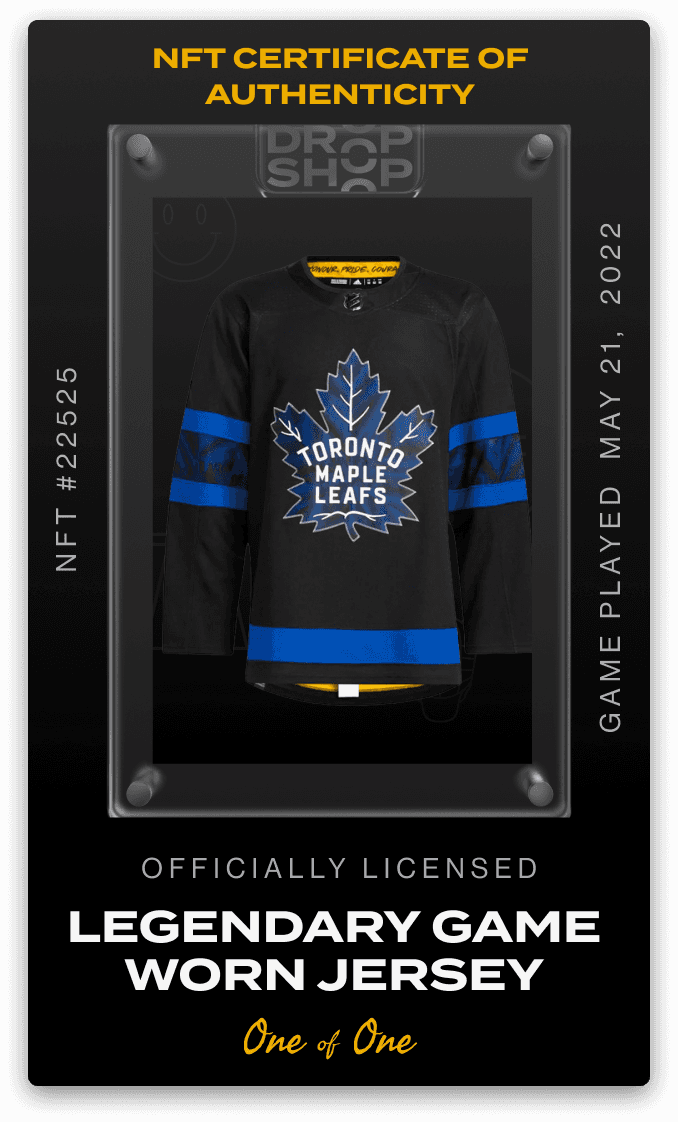
THE NFT PHYSICAL WEARABLES EXPERIMENT
Creating a linked metaverse and physical world community to elevate the fan experience
UNCONCSIOUS BIAS IN SOCCER TALENT EVALUATION
A study focused on reducing human bias from soccer scouting practices
AR TRAINING EXPERIENCE
Experimental application of Augmented Reality as a tool for basketball training.
PSYCHOLOGICAL RESILIENCE OF NBA PLAYERS & DRAFT PROSPECTS
A study to understand the performance resilience of draft prospects and NBA players
Program Impact - Season 1
In its first season, SportsX turned early-stage innovation from an abstract ambition into an operating system. A shared intake model and evaluation rubric replaced opinion-driven debate with comparable, evidence-based decisions. Teams spent less time arguing for ideas and more time testing them.
Protected R&D runway changed behavior. Projects showed up with clearer hypotheses, stronger research, and explicit decision criteria. Low-signal ideas were stopped earlier, while high-potential work moved into execution with confidence. As a result, time to decision dropped, project acceptance rates increased, and roadmap waste was materially reduced.
Just as importantly, the program aligned stakeholders across product, partnerships, data, and operations around a single moment of truth. Innovation became visible, accountable, and repeatable. This allowed us to set a foundation the organization could scale beyond the first season.
Stakeholder ALignment Score
+%Increase in stakeholder alignment scores after the first Innovation Forum established a shared review and voting moment.
Roadmap Waste
+%Reduction in roadmap waste by stopping low-signal ideas earlier, before resourcing and delivery commitments.
Project Acceptance Rate
+%Increase in project acceptance rate after introducing a standardized rubric and committee-based voting.
Time-To-Decision
-%Reduction in time-to-decision from intake to go/no-go by shifting to a repeatable review cadence and decision-ready artifacts.
cross-functional participation
+%Increase in cross-functional participation in early-stage innovation through an org-wide intake and clearer project framing.
Decision Readiness
+%Increase in “decision-ready” proposals by standardizing one-pagers, scorecards, and success criteria.
Stakeholder ALignment Score
+%Increase in stakeholder alignment scores after the first Innovation Forum established a shared review and voting moment.
Roadmap Waste
+%Reduction in roadmap waste by stopping low-signal ideas earlier, before resourcing and delivery commitments.
Project Acceptance Rate
+%Increase in project acceptance rate after introducing a standardized rubric and committee-based voting.
Time-To-Decision
-%Reduction in time-to-decision from intake to go/no-go by shifting to a repeatable review cadence and decision-ready artifacts.
cross-functional participation
+%Increase in cross-functional participation in early-stage innovation through an org-wide intake and clearer project framing.
Decision Readiness
+%Increase in “decision-ready” proposals by standardizing one-pagers, scorecards, and success criteria.
Learnings
Runway changes behavior
When funding is protected, teams invest in stronger research, better prototypes, and clearer measurement instead of shortcutting to “something shippable.”
Streams prevent portfolio collapse
Separating Basic / Applied / Experimental kept the program balanced between long-term learning and near-term execution.
Make the decision explicit
The best proposals defined the decision upfront: what we would do if results were strong, weak, or inconclusive.
Moments of visibility create momentum
The annual Innovation Forum made the work real to the broader org and created accountability through shared review and voting.